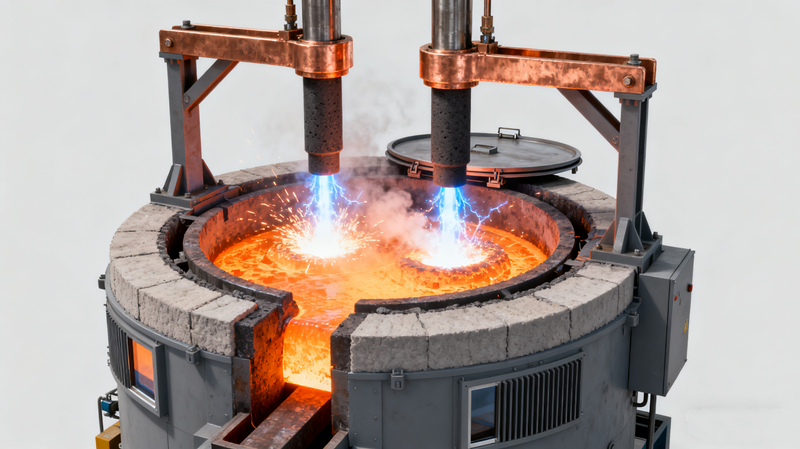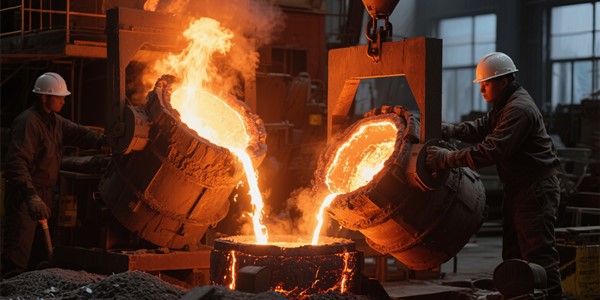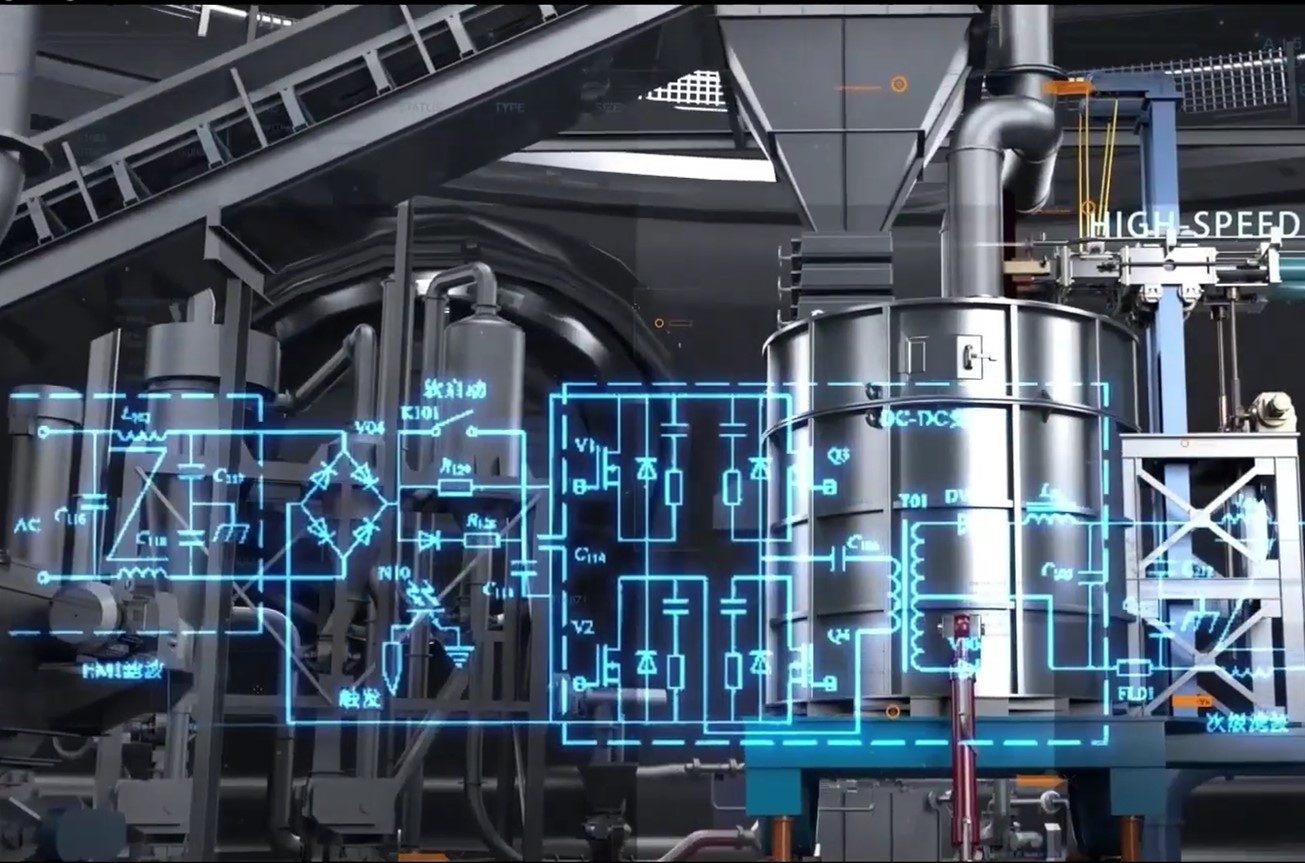
The U.S. steel industry is confronted with three major supply chain pain points: uneven distribution of scrap steel resources, over-reliance on imported high-end steel products, and constrained supply of strategic minerals. With its core value centered on high-efficiency scrap steel recycling + local DRI synergy + independent special steel production, the YND DC Electric Arc Furnace has emerged as a strategic cornerstone for achieving autonomy and controllability in the U.S. steel supply chain.
Revolution in Scrap Steel Recycling Efficiency
Core Advantages: Reduces electrode consumption by 23% (1.5–2.5kg per ton of steel vs. 2.5–3.5kg for AC furnaces), cuts energy consumption by 18% (350–400kWh per ton of steel vs. 420–480kWh for AC furnaces), lowers grid impact by 40%, and improves arc stability by 50%.
Strategic Value: Perfectly aligns with the U.S. industrial structure that relies on scrap steel for 51% of its steel production. It significantly reduces dependence on imported electrodes and energy resources, ensuring production continuity.
Innovative Applications: Capable of efficiently processing various unconventional feedstocks, including automotive shredded scrap, construction steel scrap, and electronic waste, achieving a metal recovery rate of over 98%—far exceeding the industry’s 90% economic recovery threshold.
Local DRI Synergy Production System
Seamlessly compatible with the scrap + DRI hybrid smelting process adopted by U.S. steelmakers, it supports direct supply of DRI feedstock from Minnesota iron ore bases, forging a closed-loop supply chain of local iron ore mines → DRI → electric arc furnace → high-end steel products.
It integrates seamlessly with DRI projects of leading enterprises such as Nippon Steel-US Steel and Nucor, helping the U.S. break free from reliance on imported high-end steel products. This fully complies with the requirements for strategic material autonomy outlined in the Defense Production Act.
Breakthroughs in Independent Special Steel Production
Enables precise smelting of strategic materials including nickel-based superalloys, nuclear power-grade steel, and military-grade special steel, catering to the manufacturing needs of U.S. strategic equipment such as F-35 fighter jets, next-generation nuclear reactors, and large-scale wind power installations.
It breaks foreign technological monopolies on high-performance special steel, realizing end-to-end autonomy and controllability of the entire production chain from U.S.-sourced raw materials → U.S.-based manufacturing → U.S.-targeted applications.