Aluminium dross
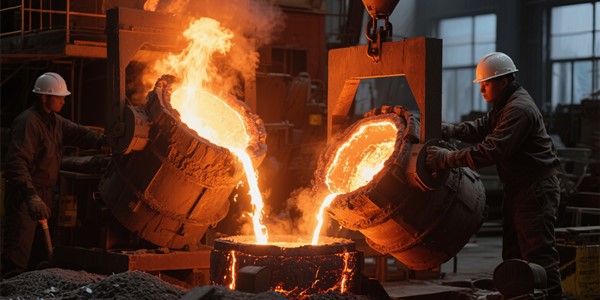
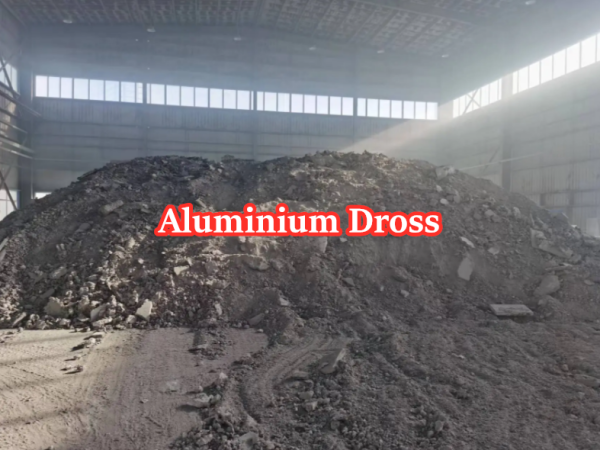
Aluminium dross constitutes a solid waste product generated during aluminium production, containing substantial quantities of alumina and other valuable substances. To maximise resource utilisation and mitigate environmental pollution, a prevalent processing method involves smelting aluminium dross into calcium aluminate. This process offers numerous advantages and practical applications.
Firstly, smelting aluminium dross enables the full recovery and utilisation of its alumina and other valuable substances, achieving resource recycling and conservation.
Secondly, through chemical processing, toxic and harmful elements within the dross can be converted into non-toxic, harmless substances, thereby protecting the environment and human health.
Calcium aluminate, as a significant material, possesses extensive applications. Consequently, smelting aluminium dross into calcium aluminate also holds considerable economic and industrial importance. The smelting process requires tailored treatment and adjustments for different types of aluminium dross, necessitating precise control of parameters such as temperature and reaction conditions to ensure smooth reaction progression and stable product quality.
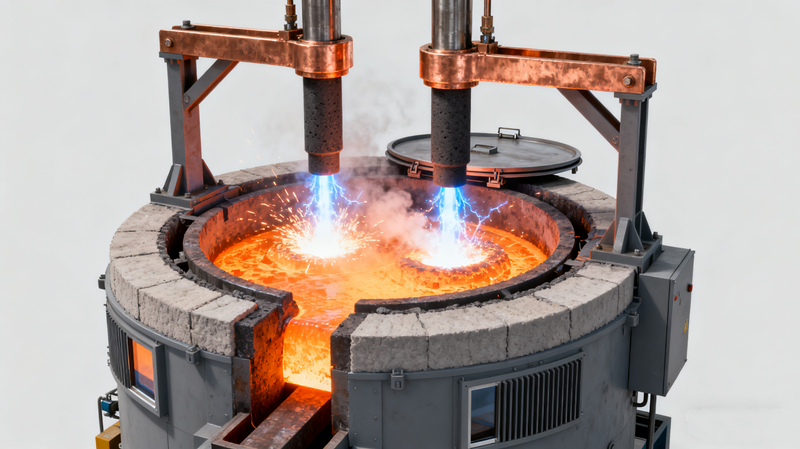
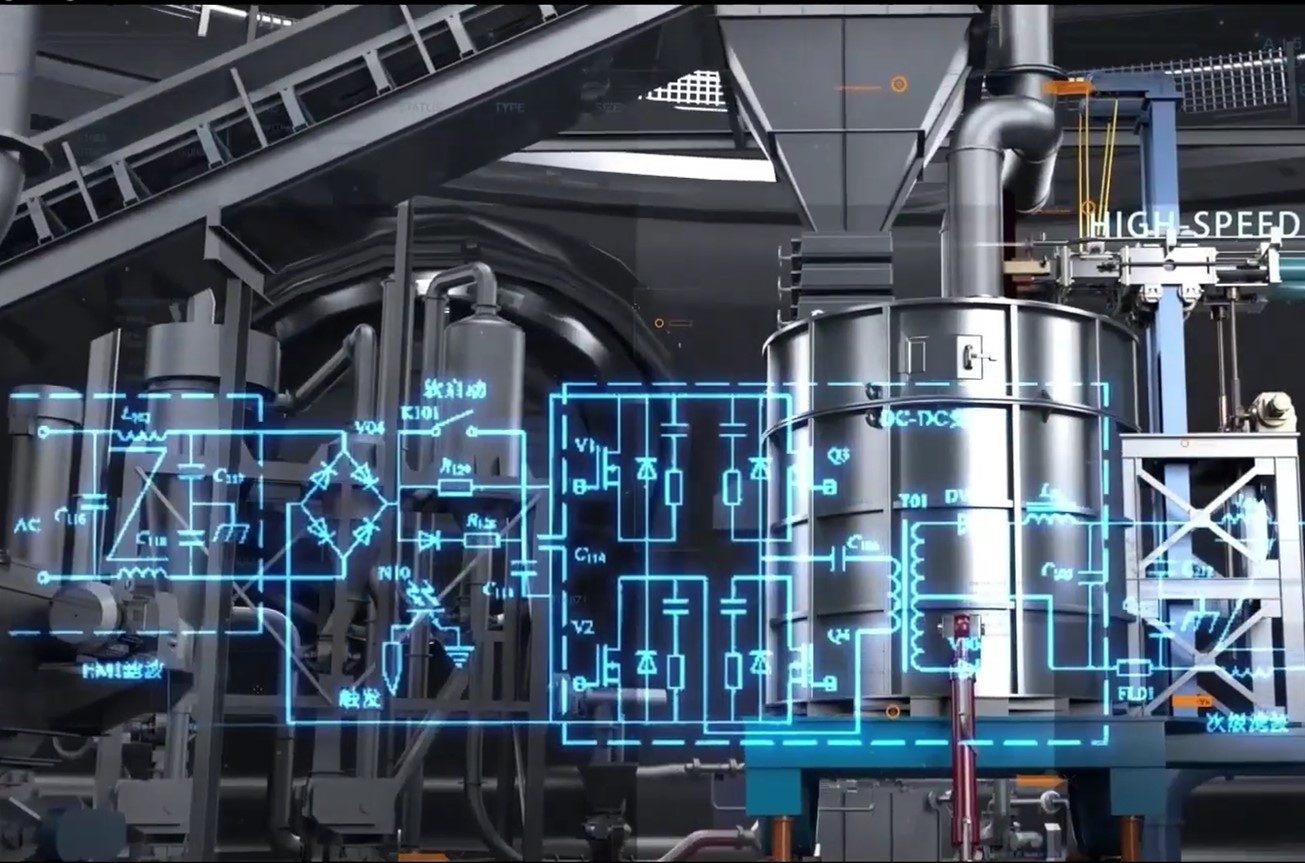
The direct current arc furnace developed by Anyang Younengde provides an effective method for smelting aluminium dross into calcium aluminate. This process treats solid waste dross from aluminium plants, extracting aluminium while converting residual impurities into calcium aluminate – an excellent deoxidiser for steelmaking. This transforms waste into valuable resources, significantly mitigating environmental pollution and enhancing economic benefits. It makes substantial contributions to the sustainable development of aluminium enterprises and environmental protection.
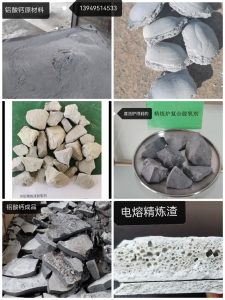
Calcium aluminate desulfurizer