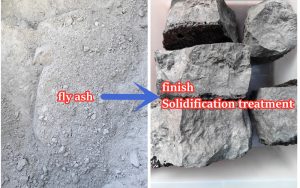
fly ash Solidification treatment
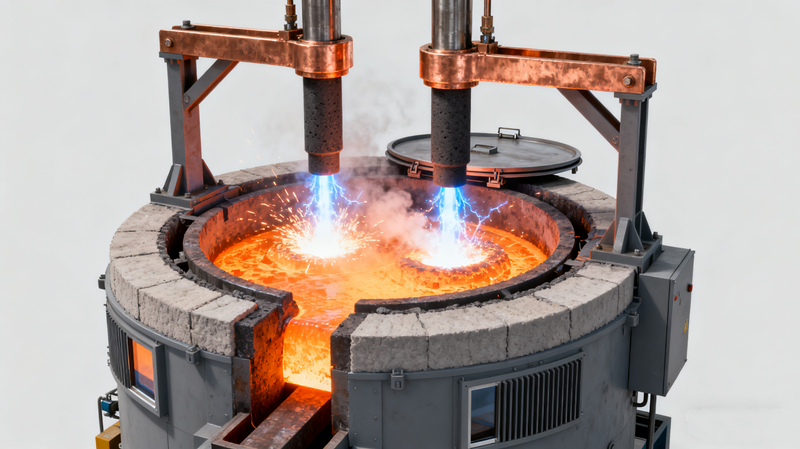
DC arc furnaces, leveraging their high-temperature melting and precise control capabilities, have become the core equipment for the harmless disposal and resource utilization of fly ash, solving the environmental challenges of hazardous waste treatment.
First, they achieve deep harmless treatment. Their stable high-temperature environment of 1200-1600°C elevates dioxin incineration rates to over 99%, while simultaneously locking heavy metals within a robust silica-oxygen network structure. Leaching concentrations of Pb, Cd, and other elements in the molten slag fall far below national standard limits, completely eliminating the long-term pollution risks associated with traditional landfilling.
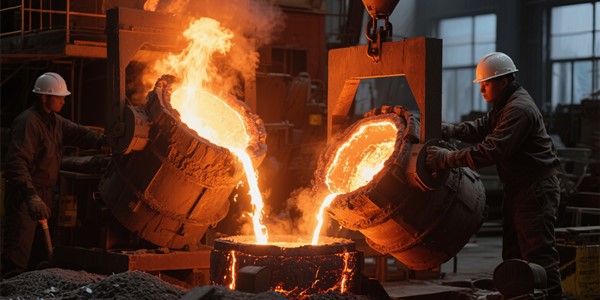
Second, it achieves efficient volume reduction and resource recovery. Post-melting, fly ash volume is reduced by over 80%, significantly lowering disposal costs. The stable vitrified slag can be directly used as roadbed material or cement admixture, enabling solid waste reuse.
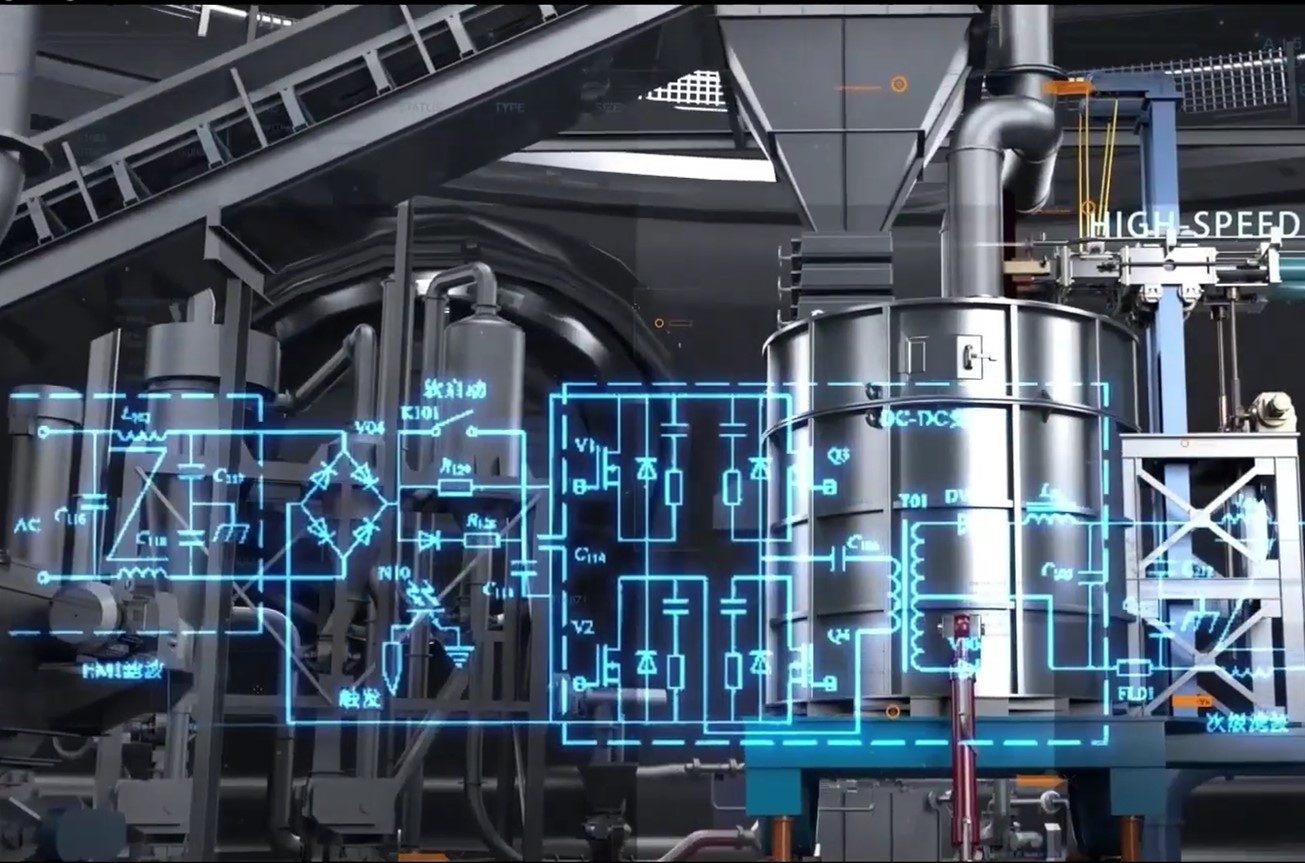
Thirdly, it offers outstanding energy efficiency and environmental performance. The DC power supply system achieves a power factor of 0.95-0.98. Combined with waste heat recovery technology, energy consumption per ton of processed material is reduced by over 30% compared to traditional processes. There are no emissions from coke combustion, and treated flue gas meets emission standards.
Finally, the process demonstrates strong adaptability. By adjusting furnace atmospheres and adding fluxing agents, it can process various fly ash types—including municipal solid waste and medical waste—while recovering precious metals volatilized during melting. This approach balances environmental protection with economic benefits.