Calcium aluminate desulfurizer
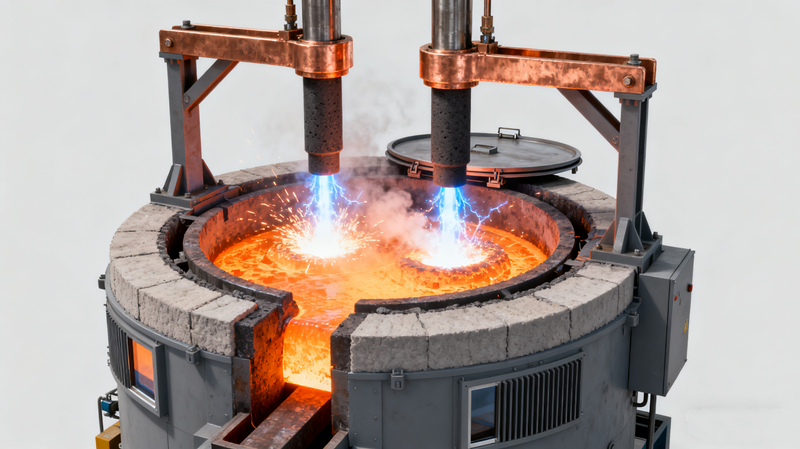
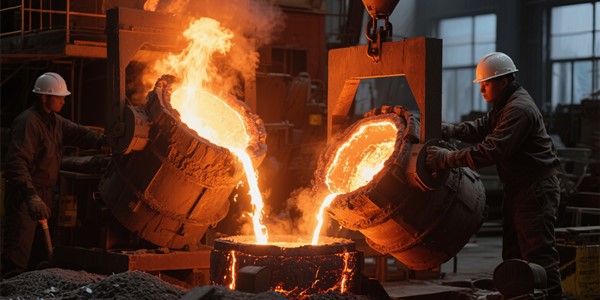
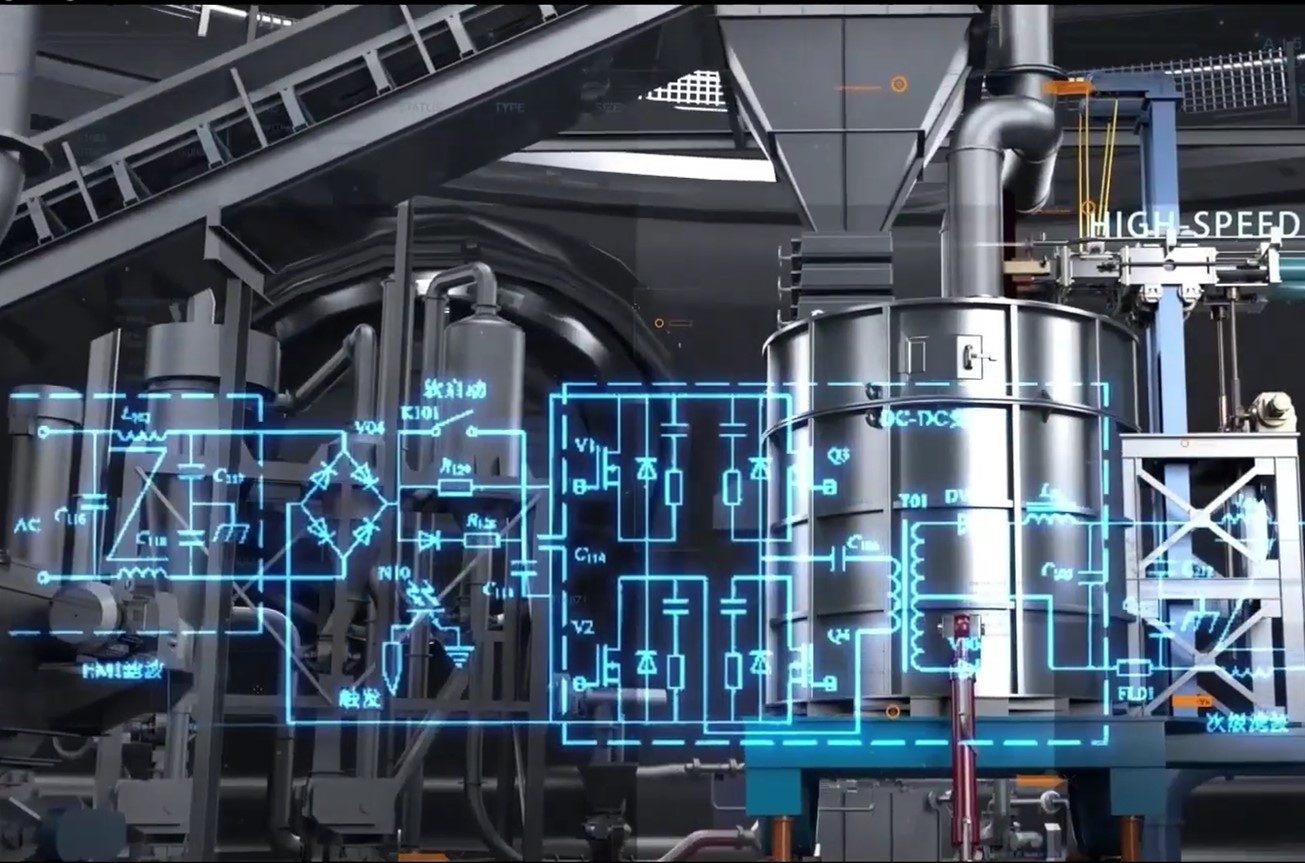
The picture in one user to process Calcium Aluminate by YND DC Arc Furnace. There are two many advantages to adopt this technology as below:
1. Higher energy utilization efficiency, reducing production energy consumption
Reduced Energy Loss: DC arc furnaces eliminate the skin effect and reactive power losses inherent in AC arc furnaces. Current flows directly through the electrodes to the molten pool, improving electrical-to-thermal energy conversion efficiency by 10%-15%. Processing each ton of calcium aluminate saves 80-120 kWh of electricity.
Stable arc characteristics: DC arcs burn more stably with minimal arc length fluctuations, preventing energy waste from localized temperature drops. This is particularly suited for calcium aluminate (melting point 1500-1700°C), which requires sustained high-temperature melting.
2. Precise Temperature Control Ensures Product Purity
Uniform Temperature Regulation: The DC arc furnace maintains minimal temperature gradients in the melt pool. By adjusting the current, the melting temperature can be precisely controlled (within ±20°C tolerance), preventing impurity formation (such as free calcium oxide) due to localized overheating of calcium aluminate, or incomplete reactions caused by insufficient heating.
Suppression of Component Volatilization: A stable high-temperature environment minimizes volatilization losses of low-boiling-point components in calcium aluminate (such as certain trace elements), ensuring the compliance rate of primary constituents (Al₂O₃, CaO) exceeds 98%.
3. Superior Product Quality Enhances Application Performance
Optimized Microstructure: The DC arc furnace achieves gentler stirring in the molten pool, resulting in a more uniform crystalline structure as calcium aluminate solidifies. This reduces internal porosity, boosting its high-temperature strength as a refractory material (compressive strength increases by 15%-20%) or its reactivity as a cement additive.
Reduced Impurity Content: Electrode consumption (primarily graphite electrodes) in DC arc furnaces is 30%-40% lower than in AC furnaces. This minimizes carbon impurity contamination, controlling calcium aluminate products’ carbon content below 0.1%. This purity meets the stringent requirements of high-end applications, such as refractories for electronic packaging.
4. Outstanding Environmental Performance, Aligned with Green Manufacturing
Reduced Fume Emissions: A stable arc minimizes molten pool spatter, lowering fume generation by 25%-30% compared to AC furnaces. Combined with a high-efficiency dust collection system, dust emission concentrations can be controlled below 10mg/m³, meeting national industrial emission standards.
Reduced Noise Pollution: DC arc operation generates 5-10 dB less noise than AC furnaces, improving workshop working conditions and meeting occupational health and safety requirements.
5. Extended Equipment Lifespan and Reduced Operational Costs
Reduced Lining Erosion: DC arc furnaces distribute thermal loads more evenly, minimizing thermal shock to the lining (typically magnesium-carbon bricks). This extends lining lifespan by 20%-25%, reduces replacement frequency, and lowers maintenance costs.
Lower electrode wear: The DC electrode has an optimized current density distribution. The service life of electrodes is 1.5-2 times that of equivalent electrodes in AC furnaces, reducing replacement frequency and spare parts costs.
6. Strong Raw Material Adaptability Enhances Process Flexibility
DC arc furnaces can process calcium aluminate raw materials of varying grades (e.g., low-grade calcium aluminate ore, industrial by-product calcium aluminate slag). By adjusting current and smelting time, efficient raw material conversion is achieved without frequent equipment parameter adjustments, enhancing the production line’s adaptability to raw material fluctuations.